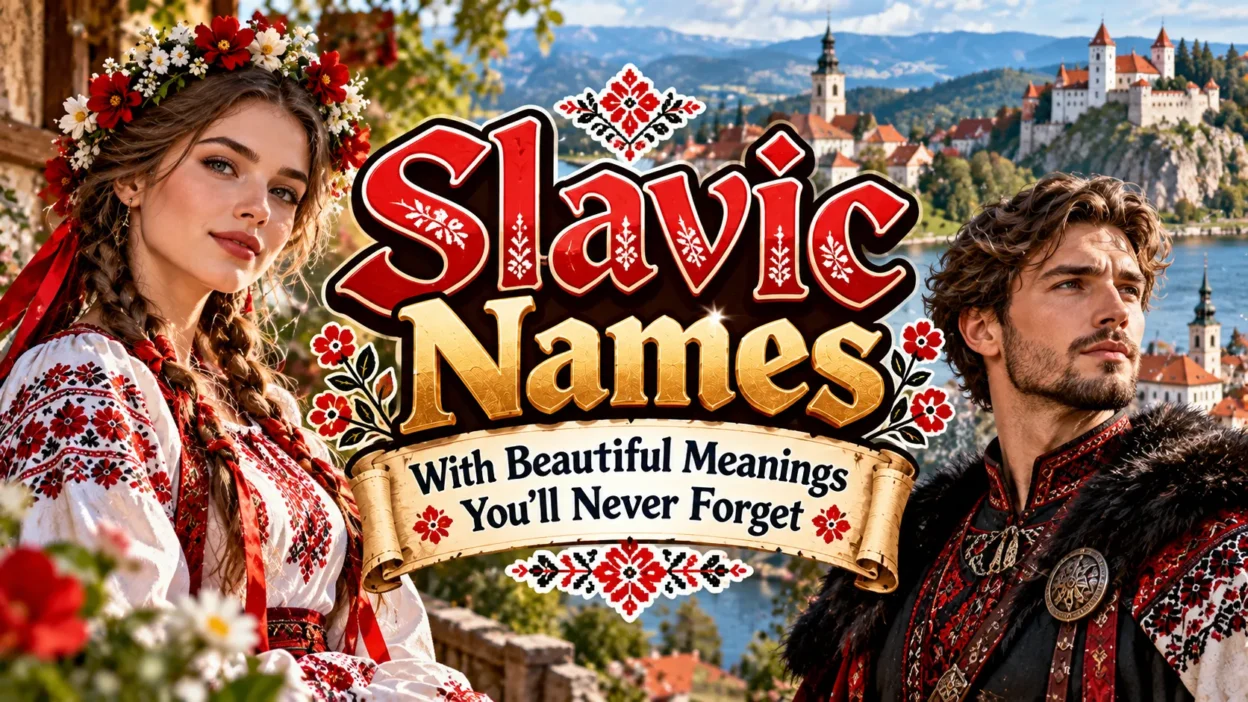
Slavic names have a special charm that blends ancient traditions, beautiful meanings, and rich cultural history. From elegant names found in Poland and Russia to distinctive choices from Serbia, Croatia, Bulgaria, and the Czech Republic, these names offer something for every taste. Some sound soft and romantic, while others feel bold, mysterious, or timeless. Whether you are searching for a baby name, a character name, or a unique username, Slavic naming traditions provide plenty of inspiration.
One reason these names stand out is their connection to family, nature, faith, and personal qualities. Names such as Mila, Zora, and Vesna evoke warmth and beauty. Meanwhile, names like Vladimir, Miroslav, and Dragomir carry historical depth and powerful associations. Many Slavic names also have different spellings across languages, giving you several ways to explore the same naming tradition. However, meanings and pronunciations can vary by country and linguistic origin. This guide brings together traditional Slavic names, modern favorites, rare discoveries, and gender-neutral possibilities. You will also find practical advice for choosing a name that feels meaningful and authentic. Explore the lists to discover a name that matches your style, celebrates Slavic heritage, or simply captures your imagination.
Which Slavic Names Are Most Beautiful and Meaningful?
The most beautiful Slavic names combine distinctive sounds, cultural heritage, and meaningful associations. Popular choices include Mila, Zora, Vesna, Miroslav, and Vladimir.
Some names celebrate love, peace, and beauty, while others reflect nature or strength. Their meanings can differ across Slavic languages, so checking the specific cultural origin helps you make an informed choice.
🌸 Beautiful Slavic Girl Names With Enchanting Meanings
Beautiful Slavic girl names often feature melodic sounds and meaningful connections to nature, love, and tradition. These feminine names range from familiar favorites to distinctive choices with centuries of history. Explore these options for a baby, fictional character, or another meaningful naming project.
- Mila
- Milena
- Milica
- Milana
- Miroslava
- Zora
- Zorana
- Vesna
- Danica
- Daria
- Darina
- Dragana
- Ljubica
- Ljiljana
- Jasna
- Jadranka
- Bojana
- Branka
- Radmila
- Radoslava
- Slava
- Slavica
- Svetlana
- Svjetlana
- Snezhana
- Snežana
- Zvezdana
- Cveta
- Cvetana
- Nevena
- Gordana
- Gordislava
- Dobroslava
- Stanislava
- Vasilisa
- Ludmila
- Vladislava
- Yaroslava
- Bogdana
- Kalina
🛡️ Strong Slavic Boy Names With Powerful Roots
Traditional Slavic boy names often celebrate strength, peace, glory, and leadership. Many combine meaningful elements that appeared in historic personal names throughout Eastern and Southeastern Europe. These choices offer a balance of commanding sounds and cultural depth.
- Vladimir
- Vladislav
- Vladan
- Miroslav
- Yaroslav
- Jaroslav
- Radoslav
- Stanislav
- Bronislav
- Bogdan
- Dragomir
- Vladimirko
- Vojislav
- Vuk
- Vukan
- Velimir
- Veljko
- Miloslav
- Milorad
- Milan
- Miloš
- Milovan
- Dobromir
- Dobroslav
- Svetoslav
- Sviatoslav
- Rostislav
- Borislav
- Bratislav
- Radovan
- Radomir
- Zdravko
- Zoran
- Dragan
- Božidar
- Željko
- Predrag
- Slobodan
- Dušan
- Goran
🌿 Rare Slavic Names for a Distinctive Identity
Rare Slavic names appeal to people who want something beyond familiar international favorites. Some have historical roots, while others remain closely associated with particular regions or older naming traditions. Consider these distinctive options when originality matters as much as meaning.
- Dobromila
- Dobrava
- Dobromira
- Vlastimila
- Vlastislava
- Milodara
- Radislava
- Radoslava
- Zdeslava
- Zdislava
- Krasimira
- Krasna
- Ljudmila
- Lubomira
- Luboslava
- Dragomila
- Dragoslava
- Branimira
- Branimir
- Vsevolod
- Borivoj
- Božena
- Boleslava
- Bolesław
- Kazimira
- Kazimiera
- Dobroslav
- Tihomir
- Tihomila
- Čedomir
- Časlav
- Vukosava
- Vukomir
- Vukadin
- Milutin
- Desislava
- Radosvet
- Svetozar
- Zdeslav
- Radogost
🌙 Slavic Names Inspired by Nature and the Seasons
Nature-inspired Slavic names draw attention to flowers, the morning, the seasons, and the wider natural world. Some have direct connections to natural words, while others carry associations shaped by regional language and tradition. These names work especially well for people who love earthy, poetic naming styles.
- Vesna
- Zora
- Zoran
- Danica
- Nevena
- Kalina
- Jagoda
- Cveta
- Cvetana
- Snezhana
- Snežana
- Dunja
- Višnja
- Malina
- Borislav
- Goran
- Dubravka
- Jasenka
- Jasmina
- Rosa
- Ruža
- Ružica
- Violeta
- Lipa
- Jela
- Jelena
- Zvezdana
- Zvezdan
- Vuk
- Vukica
- Ognjen
- Ognjena
- Iskra
- Živa
- Živana
- Rujana
- Planinka
- Sunčica
- Morena
- Jarina
❤️ Slavic Names Connected With Love, Peace, and Kindness
Many Slavic names contain elements traditionally associated with love, affection, peace, or goodwill. These names can express a meaningful wish for a child’s future or add emotional depth to a fictional character. Their exact interpretations depend on the language and the historical form.
- Mila
- Milena
- Milica
- Milan
- Milovan
- Milorad
- Miloslav
- Milomir
- Miroslav
- Miroslava
- Ljubomir
- Ljubomira
- Ljubica
- Ljubinka
- Ljuboslav
- Dragomir
- Dragomila
- Dragana
- Dragan
- Dobromir
- Dobromila
- Radmila
- Radomir
- Radovan
- Radoslav
- Radoslava
- Bogomil
- Bogomila
- Tihomir
- Tihomila
- Velimir
- Velimira
- Vladimira
- Bratomir
- Bratomila
- Milodrag
- Milodara
- Milivoj
- Milivoje
- Slobodan
👑 Royal and Historic Slavic Names With Timeless Appeal
Historic Slavic names evoke medieval rulers, noble families, regional leaders, and influential figures. Several became familiar through royal dynasties and national histories. These options suit anyone who appreciates names with a dignified sound and a strong connection to the past.
- Vladimir
- Vladislav
- Vladimira
- Yaroslav
- Jaroslav
- Yaroslava
- Bolesław
- Boleslav
- Boleslava
- Kazimierz
- Kazimir
- Kazimiera
- Mieszko
- Přemysl
- Václav
- Wenceslas
- Svatopluk
- Rostislav
- Sviatopolk
- Rurik
- Vsevolod
- Mstislav
- Izyaslav
- Iziaslav
- Святослав
- Stanisław
- Stanislav
- Stanisława
- Dobromir
- Branimir
- Tomislav
- Krešimir
- Trpimir
- Zvonimir
- Svetozar
- Stefan
- Stepan
- Simeon
- Boris
- Dragutin
🔥 Cool Slavic Names for Modern Characters and Usernames
Cool Slavic names can give a character, gaming profile, or online identity a memorable personality. Short names often feel sharp and modern, while longer names create a dramatic impression. These options mix traditional choices with recognizable regional variations.
- Vuk
- Zoran
- Milan
- Luka
- Marko
- Nikola
- Stefan
- Boris
- Dragan
- Goran
- Miloš
- Dušan
- Damir
- Darko
- Bojan
- Veljko
- Vukan
- Lazar
- Radek
- Marek
- Kacper
- Olek
- Wojtek
- Janek
- Zbigniew
- Wojciech
- Szymon
- Mateusz
- Pavel
- Václav
- Ondřej
- Radim
- Igor
- Nikita
- Maksim
- Artem
- Kirill
- Lev
- Miron
- Yegor
🕊️ Traditional Slavic Names That Celebrate Heritage
Traditional Slavic names help preserve cultural identity through family stories, regional customs, and generations of naming practices. Many remain in everyday use, although popularity differs considerably between countries. These names are useful starting points for families exploring their heritage.
- Aleksandar
- Aleksandra
- Andrei
- Andrey
- Anastasia
- Anastasija
- Anton
- Antonia
- Božidar
- Branislav
- Branimir
- Boris
- Borislava
- Daria
- Dmitri
- Dmitry
- Elena
- Jelena
- Ekaterina
- Katarina
- Ivana
- Ivan
- Ivanka
- Jan
- Jana
- Jovana
- Katarzyna
- Krystyna
- Ksenia
- Ludmila
- Magdalena
- Marija
- Marjana
- Milena
- Natalia
- Natalya
- Olga
- Tatiana
- Vera
- Zofia
🌷 Elegant Slavic Girl Names for a Soft, Romantic Style
Elegant Slavic girl names often pair gentle vowel sounds with graceful endings. Some are popular across several countries, while others have a more regional feel. These choices suit parents and writers looking for names that sound refined without feeling overly complicated.
- Anya
- Anja
- Alina
- Alena
- Alyona
- Anastasia
- Anastasija
- Antonina
- Božena
- Elena
- Elizaveta
- Galina
- Irina
- Ivana
- Jana
- Jelena
- Katya
- Katarina
- Ksenia
- Larisa
- Lidia
- Liliya
- Marina
- Marija
- Marta
- Nadezhda
- Nadia
- Natalya
- Nina
- Oksana
- Olga
- Polina
- Raisa
- Renata
- Sofia
- Sonya
- Tatiana
- Valentina
- Vera
- Zoya
⚔️ Bold Slavic Boy Names for Strong Personalities
Bold Slavic boy names often feature firm consonants, memorable rhythms, and associations with courage or leadership. Some reflect traditional name elements connected to glory, protection, or battle. Others stand out because of their compact, confident sound.
- Aleksandar
- Andrei
- Anton
- Bogdan
- Boris
- Branislav
- Branimir
- Bronislav
- Damir
- Darko
- Dmitri
- Dragan
- Dušan
- Igor
- Ivan
- Kirill
- Konstantin
- Kristijan
- Lazar
- Maksim
- Marko
- Matija
- Mikhail
- Nikola
- Oleg
- Pavel
- Petar
- Radek
- Rastislav
- Sava
- Sergei
- Slavko
- Stanislav
- Stjepan
- Taras
- Tomislav
- Viktor
- Vojislav
- Vladimir
- Zvonimir
🌍 Slavic Names From Different Countries and Cultures
Slavic naming traditions span Central, Eastern, and Southeastern Europe. Polish, Czech, Slovak, Russian, Ukrainian, Bulgarian, Serbian, Croatian, Slovenian, and Belarusian names each have distinctive linguistic features. Exploring these differences can help you choose a name that fits a particular heritage.
- Wojciech
- Kazimierz
- Grzegorz
- Łukasz
- Przemysław
- Zbigniew
- Małgorzata
- Katarzyna
- Agnieszka
- Zofia
- Václav
- Přemysl
- Ondřej
- Bohumil
- Vojtěch
- Tereza
- Barbora
- Kateřina
- Branislav
- Ľubomír
- Miroslav
- Zuzana
- Jaroslav
- Dobromila
- Dmitri
- Nikolai
- Fyodor
- Yekaterina
- Svetlana
- Lyudmila
- Oleksandr
- Bohdan
- Mykola
- Olesia
- Solomiya
- Desislava
- Tsvetan
- Krasimir
- Milena
- Radoslav
🌟 Short Slavic Names That Are Easy to Remember
Short Slavic names are practical, recognizable, and easy to use in everyday life. Many have longer traditional forms, while others stand independently as familiar given names. Their simplicity makes them appealing for babies, fictional characters, and online profiles.
- Ana
- Anja
- Bojan
- Boris
- Branko
- Daria
- Darko
- Drago
- Hana
- Igor
- Ilya
- Ivan
- Jana
- Jaro
- Jure
- Kaja
- Katya
- Kira
- Lara
- Lena
- Lev
- Luka
- Marek
- Mila
- Milan
- Miro
- Nadia
- Nina
- Oleg
- Olga
- Pavel
- Petra
- Rada
- Sava
- Slava
- Tara
- Toma
- Vera
- Zora
- Zoya
🌈 Slavic Names With Gender-Neutral Potential
Some names can work across genders in certain languages or modern naming contexts. However, many traditional Slavic names have established feminine or masculine forms. Always check local usage before treating a name as gender-neutral.
- Sasha
- Saša
- Slava
- Zhenya
- Женя
- Valya
- Shura
- Miroslav
- Milan
- Luka
- Nikola
- Andrea
- Dima
- Vanya
- Yura
- Zora
- Vesna
- Radomir
- Darian
- Dani
- Alex
- Sasha-Mila
- Vanya-Lee
- Misha
- Mika
- Nika
- Rada
- Zlata
- Vuk
- Jasen
- Bor
- Živa
- Toma
- Sasha-Rae
- Mila-Ren
- Slavi
- Zdrav
- Mir
- Rad
- Luba
💫 Mythical and Folklore-Inspired Slavic Names
Slavic folklore includes household spirits, forest beings, legendary creatures, and figures connected with ancient religious traditions. Some names below belong to mythology or folklore rather than ordinary personal naming. They can inspire fantasy characters, stories, and creative projects.
- Perun
- Veles
- Svarog
- Dazhbog
- Stribog
- Triglav
- Jarilo
- Morana
- Mokosh
- Lada
- Zorya
- Devana
- Vesna
- Kupala
- Radegast
- Belobog
- Chernobog
- Rod
- Simargl
- Leshy
- Domovoi
- Rusalka
- Vila
- Vodyanoy
- Baba Yaga
- Zmey
- Koschei
- Alkonost
- Gamayun
- Sirin
- Kikimora
- Poludnitsa
- Bannik
- Ovinnik
- Bereginya
- Nav
- Zduhać
- Samodiva
- Lamia
- Chort
🧭 How to Choose a Slavic Name That Feels Right
Choosing a Slavic name involves more than finding a beautiful sound. Consider the name’s language, pronunciation, meaning, and connection to your family or creative purpose. A name that feels familiar in one country may sound unusual in another, so context matters.
Start by narrowing your choices to a specific region or naming tradition. For example, Polish names often include spellings such as Ł and Ś, while Russian and Ukrainian names may have different transliterations in English. Serbian and Croatian names also share many similarities while retaining distinct cultural conventions. Next, check the meaning through reliable linguistic or cultural references. Avoid assuming that every name has one universally accepted interpretation. Finally, say your favorite choices aloud and consider how they pair with a surname. If you are naming a fictional character, match the name to the character’s background and historical setting. These small checks help you choose a name that feels both distinctive and respectful.
📚 What Makes Slavic Names Different From Other European Names?
Slavic names reflect languages that developed across a broad part of Europe. Their naming traditions share certain elements, yet they are not identical. Familiar name components include -slav, often associated with glory, and mir, which can relate to peace or the world depending on the name and language. Names such as Miroslav, Stanislav, and Yaroslav demonstrate these historical patterns.
Slavic languages also use different alphabets and spelling conventions. Russian, Bulgarian, and Serbian commonly use Cyrillic, although Serbian also uses Latin script. Polish, Czech, Slovak, Croatian, and Slovenian generally use Latin alphabets with their own diacritics. These differences influence how names appear in English. For instance, Miloš may appear as Milos when diacritics are omitted. Some names also have local diminutives, affectionate forms, and alternate spellings. Understanding these details helps you appreciate the variety within Slavic naming traditions instead of treating them as one uniform culture.
✨ Tips for Finding Authentic Slavic Names and Meanings
The best way to find an authentic Slavic name is to research its specific language and cultural background. Start with reputable dictionaries, national naming resources, or linguistic references. These sources can help confirm a name’s spelling, pronunciation, gender associations, and historical usage.
Be careful with online lists that assign dramatic meanings without providing evidence. A name may have several interpretations, especially when it appears in multiple languages. Mythological names also differ from names commonly given to children today. If cultural heritage is important to your choice, look at regional history and family traditions. You can also ask native speakers how a name sounds in everyday conversation. For fictional characters, research the period and location in which the story takes place. This approach produces a more believable choice. It also helps you avoid confusing a folklore figure, a modern nickname, and a traditional given name.
❓ Frequently Asked Questions About Slavic Names
Which Slavic names are the most popular?
Mila, Sofia, Luka, Marko, Ivan, and Elena are recognizable names across various Slavic communities. Popularity varies by country and generation, so a name that is common in one region may be less familiar elsewhere.
If current popularity matters, consult recent national birth-registration statistics. These provide a more accurate picture than general international name lists.
What does the word Slavic mean in names?
Slavic refers to the peoples and languages associated with the Slavic linguistic and cultural family. This includes communities across Central, Eastern, and Southeastern Europe.
A Slavic name may have Polish, Russian, Ukrainian, Czech, Slovak, Serbian, Croatian, Bulgarian, Slovenian, or another regional origin. Identifying the language helps clarify its meaning and pronunciation.
What are some beautiful Slavic girl names?
Mila, Milena, Zora, Vesna, Danica, and Ljubica are appealing options with distinctive sounds and cultural associations. Other choices include Anastasia, Ivana, Jelena, and Zofia.
Before choosing one, check its spelling and meaning in the relevant language. This is particularly helpful when using a name outside its country of origin.
What are some strong Slavic boy names?
Vladimir, Miroslav, Stanislav, Vojislav, Dragomir, and Yaroslav are traditional options with strong historical character. Shorter names such as Vuk, Boris, and Marko can also make a confident impression.
Meanings differ between names, even when they share similar sounds. Researching the individual name will help you find one that suits your intended meaning.
Are Slavic names difficult to pronounce?
Some Slavic names contain letters or sounds that English speakers may not recognize immediately. Examples include Polish Ł, Czech ř, and South Slavic letters such as š and ž.
However, many names are relatively easy to pronounce after a little practice. Listening to native speakers is one of the best ways to learn the correct pronunciation.
Do Slavic names have special meanings?
Many traditional Slavic names contain elements associated with peace, glory, love, strength, or divine protection. Miroslav and Stanislav are examples of names built from meaningful historical elements.
Still, not every name has a simple or certain translation. Regional usage, historical development, and changes in language can affect how a name is understood today.
Can I use a Slavic name for a fictional character?
Yes. Slavic names can add cultural depth to novels, games, screenplays, and fantasy settings. You might choose a traditional regional name for historical fiction or a folklore-inspired name for a mythical character.
For a realistic character, match the name to the character’s background, age, and setting. Researching the relevant country will help you avoid mixing unrelated traditions.
How can I find a rare Slavic name with a meaningful origin?
Start with a country or language that interests you, then explore traditional names, historical records, and regional dictionaries. Look for less common choices such as Dobromila, Vlastislava, Tihomir, or Zdeslav.
Verify each name’s spelling, meaning, and present-day usage before making your final choice. This helps you find something distinctive without relying on unsupported meanings.
Conclusion: Find a Slavic Name You’ll Always Remember
Slavic names offer an inspiring blend of history, culture, distinctive sounds, and meaningful traditions. From beautiful girl names such as Mila and Vesna to strong boy names such as Vladimir and Miroslav, there are options for many different tastes. You can also explore rare historical names, nature-inspired choices, and folklore figures for creative inspiration. The key is to look beyond appearance and understand each name’s linguistic and cultural background. Whether you are naming a child, developing a character, or searching for a unique username, the right Slavic name can feel personal and memorable. Take your time, compare meanings, and choose a name that genuinely resonates with you.
Zoe Collins is a creative writer and naming specialist with a passion for discovering unique and meaningful names. At Nameznest, she focuses on curating fresh ideas for pet names, gaming usernames, and creative naming inspiration.
With a strong eye for trends and creativity, Zoe makes it easy for readers to find the perfect name for any purpose. Her goal is to turn name searching into a fun, simple, and inspiring experience for everyone.